
What Is Stamped Concrete and How Does It Work?
People searching for stamped concrete installation are typically looking to enhance their surfaces with durable, decorative patterns, and local service providers can help achieve this look efficiently.
If you’ve been exploring ways to enhance the appearance and functionality of outdoor surfaces, understanding what is stamped concrete and how it works can be a valuable step. This decorative concrete option offers a versatile and durable solution for patios, walkways, driveways, and more, often mimicking the look of natural stone, brick, or slate. Property owners in the area who want to add aesthetic appeal while maintaining practicality may find that stamped concrete provides an attractive, long-lasting surface that can elevate the overall look of their property. Keep reading to discover how this technique could be the right choice for your outdoor space, and how local contractors skilled in stamped concrete installation can bring your vision to life.
Knowing what stamped concrete is and how it works can help property owners make informed decisions about their outdoor upgrades. Essentially, it involves pouring concrete and then applying patterns, textures, and colors to create a customized, decorative surface. This process allows for a wide range of design options, making it suitable for various styles and preferences. Local service providers experienced in stamped concrete installation can help evaluate your space, suggest design ideas, and ensure the finished product meets your aesthetic and practical needs. Continuing to explore this topic can reveal how stamped concrete might be a practical, visually appealing solution for enhancing outdoor areas around your property.
- Stamped concrete installation services are ideal for homeowners seeking decorative surfaces that mimic natural materials, with local contractors customizing patterns and colors to match specific design preferences. When a property owner wants to enhance patios, walkways, or driveways with textured, durable finishes, service providers can expertly install stamped concrete that replicates stone, brick, or tile. For projects requiring a cost-effective alternative to natural materials, local pros approach stamped concrete work with precise patterning and coloring techniques to achieve realistic effects. When existing concrete surfaces need revitalization or aesthetic upgrades, experienced contractors can remove or overlay old slabs with stamped concrete to improve visual appeal. Those exploring what is stamped concrete and how does it work often turn to local service providers for professional installation that ensures a seamless, long-lasting decorative finish.
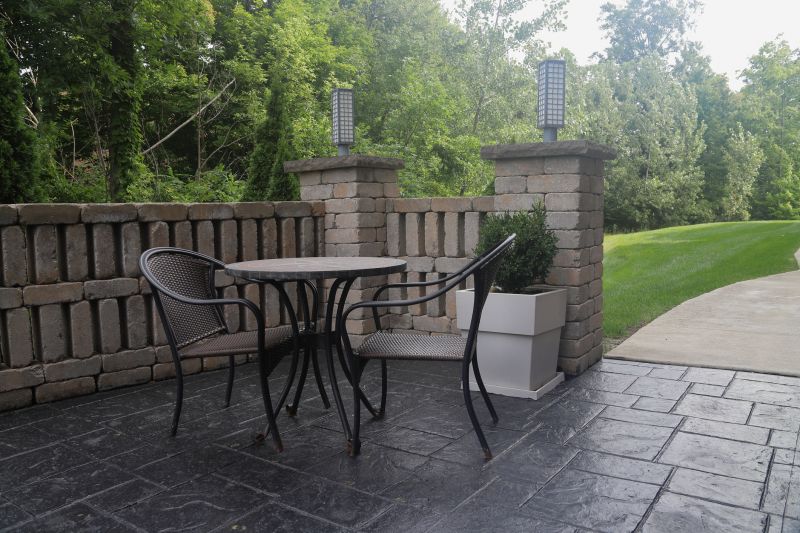
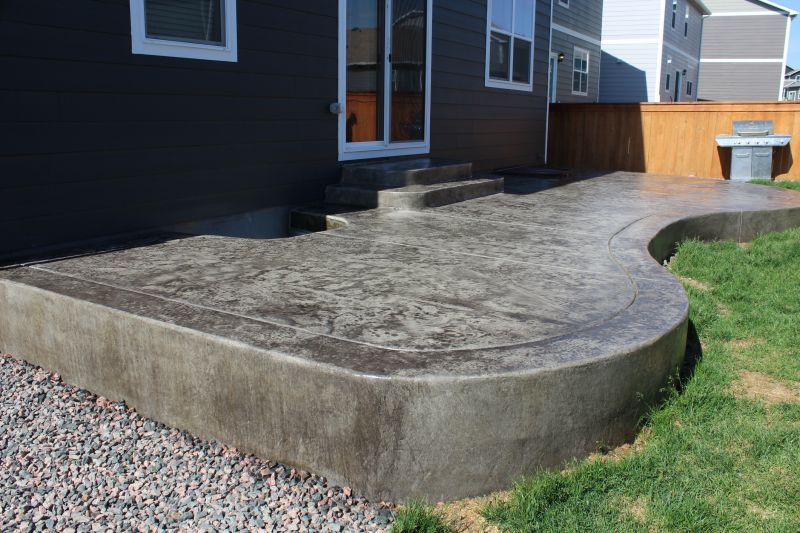
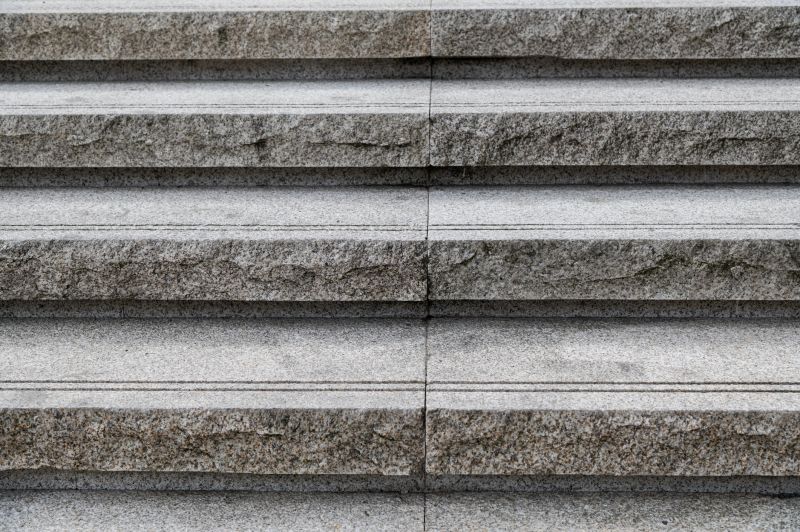
When people search for what is stamped concrete and how does it work, they are typically looking to understand a decorative concrete option that can enhance the appearance of outdoor surfaces. Stamped concrete is a method that involves imprinting patterns and textures onto freshly poured concrete, creating a look that mimics materials like brick, stone, tile, or wood. This technique is often chosen for its ability to combine durability with aesthetic appeal, making it popular for driveways, patios, walkways, and pool decks. Homeowners interested in stamped concrete usually want a surface that is visually appealing yet long-lasting, and they often seek information about how the process is done and what results they can expect.
This topic is closely related to projects that aim to improve curb appeal or create functional outdoor living spaces. Many property owners consider stamped concrete when planning to upgrade an existing slab or install a new surface that complements their landscape or architectural style. Problems like cracked or stained concrete can lead homeowners to explore decorative options, while plans for a more inviting backyard or a stylish driveway often involve stamped concrete solutions. Local service providers who specialize in stamped concrete installation are well-equipped to help turn these plans into reality, offering expertise in color, pattern selection, and finishing techniques that match the property’s design goals.
The types of properties that typically feature stamped concrete include residential homes, especially those with large outdoor areas, as well as commercial spaces such as restaurants, retail stores, and office complexes. Residential properties often use stamped concrete for patios, pool surrounds, and walkways to create a cohesive and attractive look. Commercial properties may choose stamped concrete for entryways, plazas, or outdoor seating areas to enhance visual appeal and durability. The versatility of stamped concrete makes it suitable for various property sizes and styles, with local contractors providing tailored solutions to meet specific aesthetic preferences and functional needs.
Connecting to real projects, homeowners often want to understand how stamped concrete works in practical terms. The process involves pouring a concrete slab, then applying stamps, textures, and colorants while the concrete is still wet. Once the imprint is made, the surface is treated with sealers to protect the finish and enhance its appearance. Local contractors experienced in stamped concrete installation can guide property owners through the selection of patterns and colors, ensuring the finished surface aligns with their vision. These professionals handle the technical aspects, from preparing the site to applying the finishing touches, helping homeowners achieve a durable, attractive surface that enhances their property’s value and usability.
Concrete Driveway Paving - Local contractors skilled in stamped concrete can also handle decorative driveway projects that require precise surface preparation and finishing techniques.
Patio and Outdoor Living Spaces - Creating stylish and durable patios involves similar planning, stamping, and finishing skills used in stamped concrete installations.
Sidewalk and Walkway Construction - Designing textured and patterned walkways requires expertise in concrete placement and surface stamping comparable to stamped concrete work.
Pool Deck Installations - Installing decorative pool decks involves surface preparation and stamping methods that align with the skills used in stamped concrete projects.
Interior Concrete Flooring - Decorative interior floors with textured or patterned finishes share techniques related to surface stamping and coloring used in stamped concrete.
Retaining Wall Finishes - Enhancing retaining walls with textured or patterned surfaces involves planning and surface treatment skills similar to stamped concrete applications.
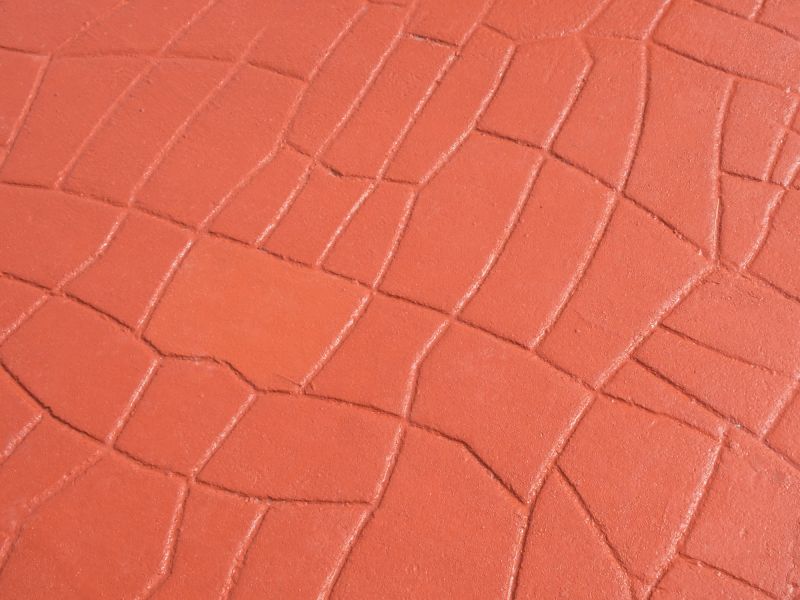
When comparing local contractors for stamped concrete installation, it is important to consider their experience with similar projects. Homeowners should inquire about the types of stamped concrete work they have completed in the past, such as driveways, patios, or walkways, to ensure familiarity with the specific techniques and finishes desired. An experienced service provider will typically have a portfolio or examples of completed projects that demonstrate their skill and understanding of different patterns, textures, and color integrations, which can help in visualizing how stamped concrete can enhance outdoor spaces.
Clear, written expectations are essential when evaluating potential contractors. Homeowners should seek detailed proposals that outline the scope of work, materials to be used, and the process involved in stamped concrete installation. Having this information in writing helps prevent misunderstandings and provides a basis for comparing different service providers. It also encourages transparency and accountability, making it easier to assess whether a contractor’s approach aligns with the homeowner’s vision and requirements for the project.
Reputable references and effective communication are key factors in selecting the right local pros. Homeowners are encouraged to ask for references or reviews from previous clients to gain insights into the contractor’s reliability, workmanship, and professionalism. Good communication throughout the project is also vital; service providers who are responsive, clear in explaining options, and attentive to questions can help ensure the process runs smoothly. These qualities contribute to a positive experience and increase confidence that the stamped concrete installation will meet expectations.
Property owners often search for what is stamped concrete and how does it work? when they are planning practical projects around their homes and businesses. Local pros provide Stamped Concrete Installation services for everyday jobs and straightforward project options.
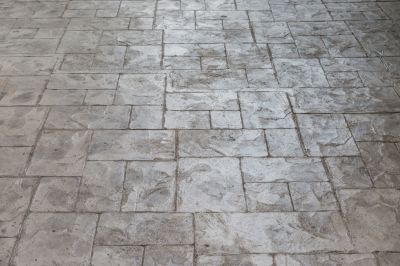
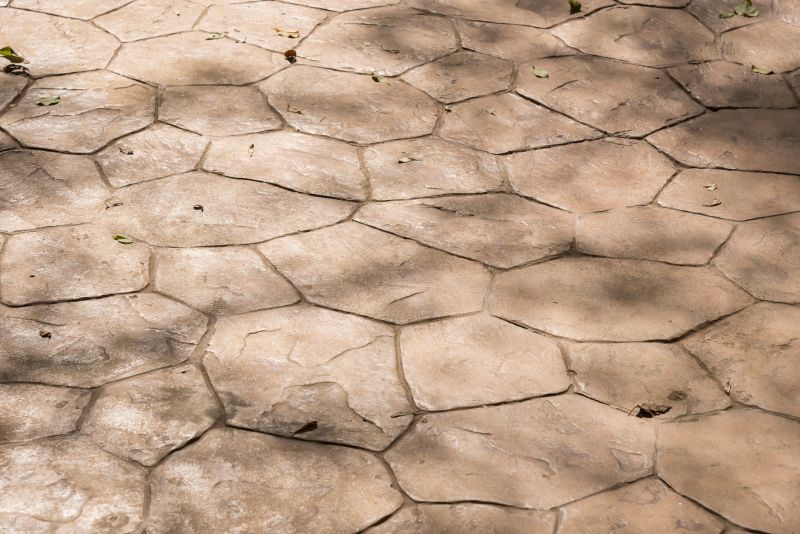
Stamped concrete is a popular choice for property owners looking to enhance outdoor spaces such as patios, walkways, or driveways. It involves pouring a concrete slab and then impressing patterns or textures onto the surface before it fully sets. This process creates the appearance of more expensive materials like stone, brick, or slate, offering a decorative look without the higher cost or maintenance that those materials often require. Property owners might look up this topic to understand how stamped concrete can improve curb appeal or provide a durable, visually appealing surface for everyday use.
For those considering stamped concrete installation, local contractors have the expertise to handle the process efficiently. They can help determine the best patterns, colors, and textures to match the property's style and needs. These service providers ensure the concrete is properly prepared, poured, and stamped to achieve a high-quality finish that lasts. Property owners interested in upgrading their outdoor surfaces can contact local pros to explore how stamped concrete might be a practical and attractive solution for their project.
What is stamped concrete and how does it work? Stamped concrete is a type of decorative concrete that mimics the appearance of materials like stone, brick, or tile by pressing patterns into wet concrete. Local contractors use specialized tools to imprint these designs, creating a textured surface that enhances visual appeal.
How is stamped concrete installed? During installation, a concrete mixture is poured and leveled, then a pattern is pressed into the surface while the concrete is still wet. After it hardens, the surface may be colored or sealed to achieve the desired look, with local service providers handling each step.
What makes stamped concrete different from regular concrete? Unlike plain concrete, stamped concrete features patterns and textures that give it a more attractive, finished appearance. Local pros can customize the design to match specific aesthetic preferences or existing outdoor features.
Can stamped concrete be used in different outdoor areas? Yes, stamped concrete is versatile and suitable for patios, walkways, driveways, and pool decks. Local contractors can help determine the best application and design options for each space.
What are the benefits of choosing stamped concrete for a project? Stamped concrete offers a durable, attractive surface that can replicate more expensive materials at a lower cost. Local service providers can ensure proper installation for long-lasting results that enhance outdoor spaces.
Design Customization - Property owners can choose from various patterns and colors to create a unique look for patios or walkways with help from local contractors.
Surface Preparation - Local service providers can prepare existing concrete surfaces to ensure proper adhesion and durability for stamped overlays or replacements.
Pattern and Texture Application - Professionals apply molds and textures during the stamping process to mimic natural materials like stone, brick, or wood for aesthetic appeal.
Sealing and Finishing - Local pros can finish stamped concrete with sealers to enhance color vibrancy and protect the surface from wear and weathering.
If you are thinking about what is stamped concrete and how does it work? for a property, this guide is meant to help you understand this topic, the typical project types, and how different options might fit your plans.
When you are ready, you can use the quote form on this page to share a few details about your project. From there, local pros can review the basics and follow up with options that match what you have in mind.